We connect with the NYC-based stylist and set designer to discuss the art of curating vintage – through bustling Parisian markets and sun-drenched Italian thrift shops –buying sustainably, and finding her footing through community.

NYC-based stylist and set designer Liana Kornitzer is a globe-trotter. And she has great taste, too – first impressions that linger as we log onto Zoom on a crisp February morning this side of the pond, my eyes immediately drawn to the visual feast that is her frame. She’s in her kitchen: furniture cloaked in pastel hues, a perfectly painted blue grout offsetting neat white tiles, and a countertop brimming with colourful appliances. I’m obsessed. She, on the other hand, admits to being kind of over it – ready for a full makeover, if you will.
With a sharp aesthetic eye, Liana has spent the past half-decade mastering the art of curating treasures for her vintage shop, Lianaland. But sourcing Stateside would be far too easy – she’s chasing what can be found in the old world. “Pretty much all the pieces [I have] on me [right now] are French pieces, and French designers,” she tells me. “I source in Italy as well, and then try to bring back mainly Italian designers. It’s kind of like it’s a collection of the regions, I would say. And my favourite part is kind of meeting people along the way.”


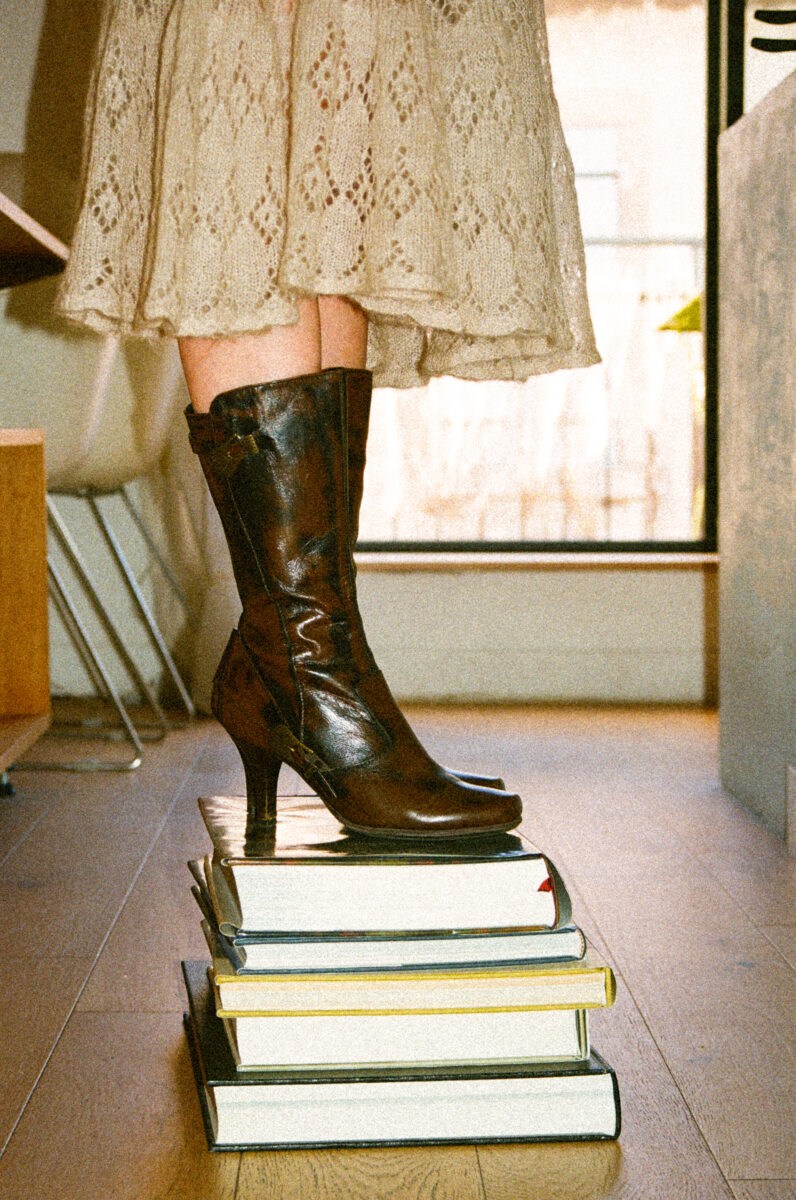
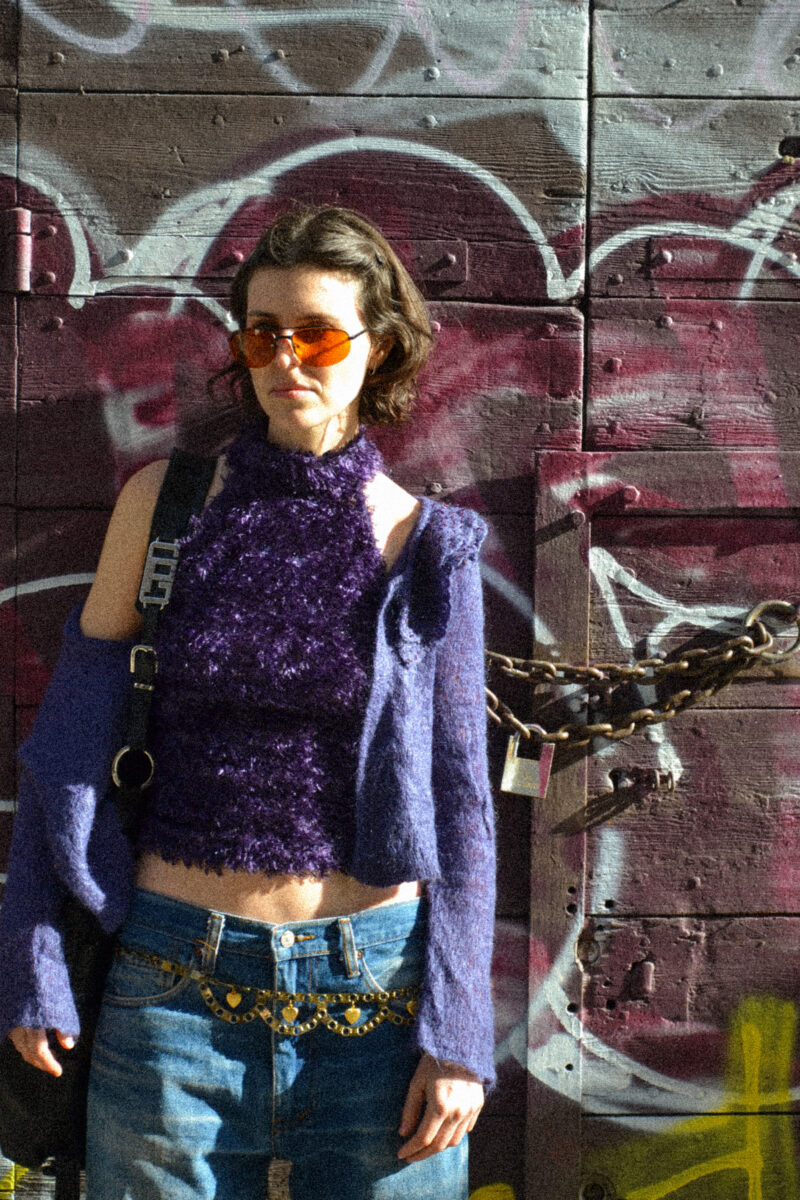
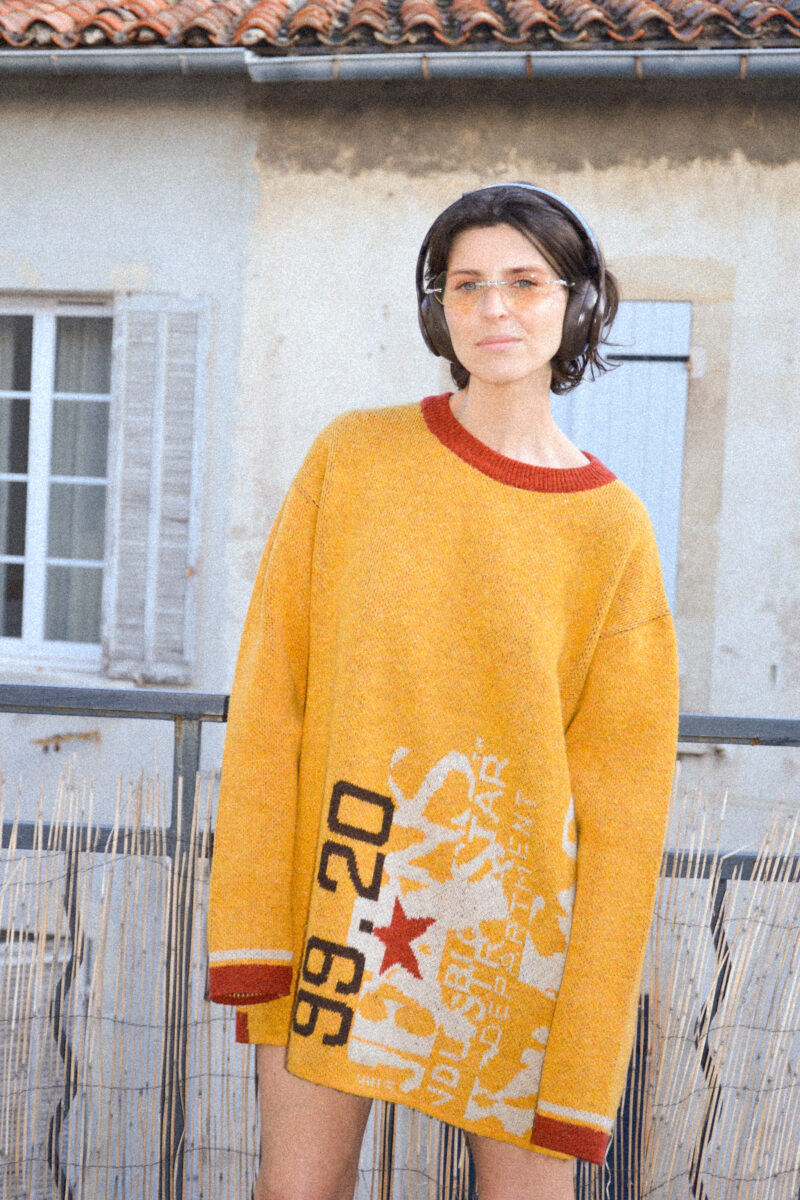
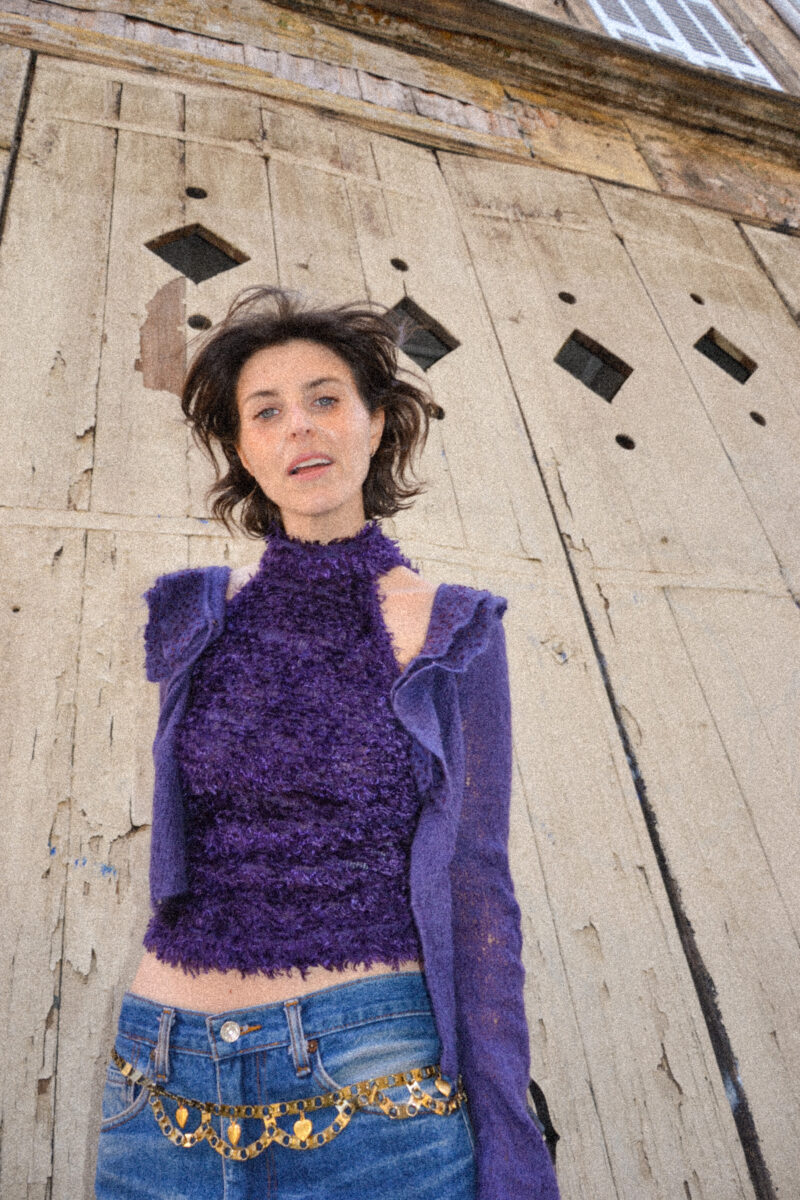
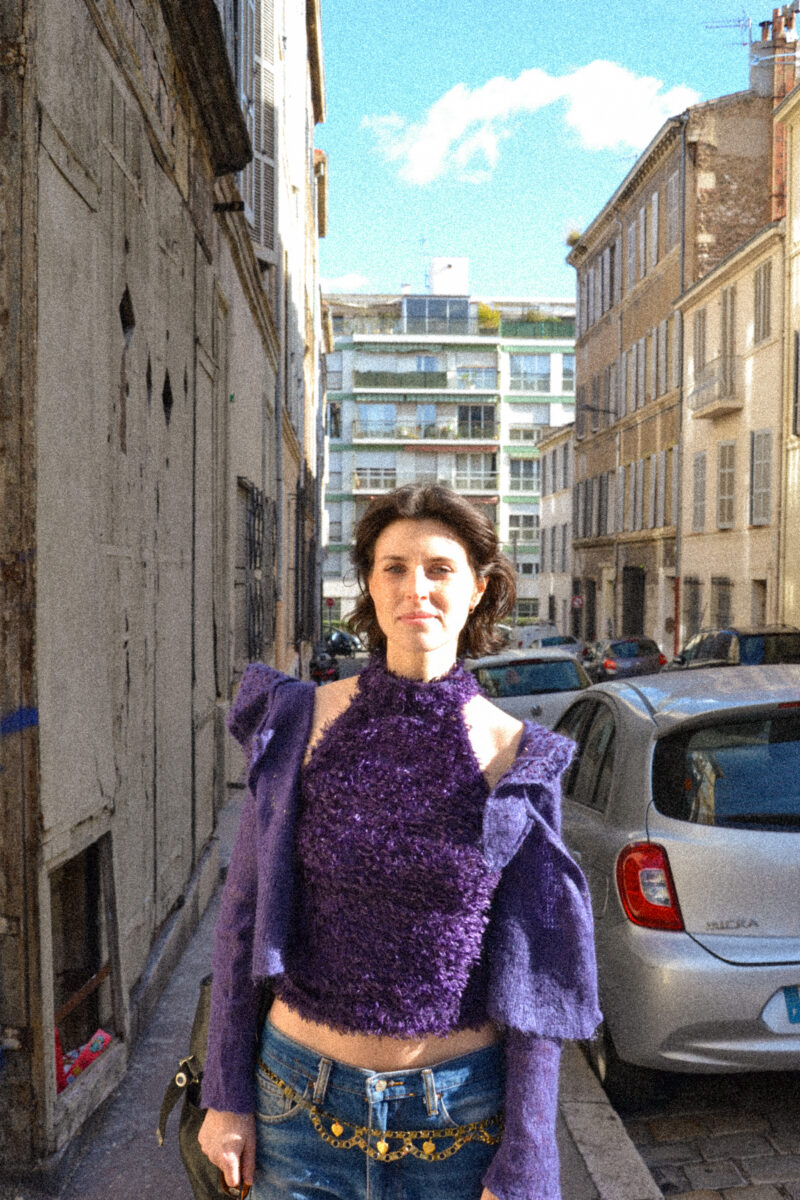
And sometimes, those people become part of the story. A recent run-in with French photographer Victoire Castella led to a creative spark – and the collaboration now unfolds across the images that bring this piece to life. “I met the amazingly talented Victoire in Marseille, at a vintage shop. While I was asking her for some recommendations, we exchanged Instagrams, and it was evident our styles aligned. She asked if she could photograph me and I was super excited. We shot these photos inside and around my Airbnb in Marseille. I am wearing head-to-toe pieces I sourced for the newest Lianaland collection.”
In conversation with Wonderland, Kornitzer reflects on the quiet magic of vintage, the art of building a sustainable wardrobe, the underrated power of faking it till you make it, and the serendipity of collaboration. Scroll on for the full interview…
What’s your favourite thing about what you do?
I’ve made so many relationships with people, and I’ve met people in the vintage world that have been super helpful. When I was in Italy, I went to a thrift store, and I just made friends with the owners. I bought a few things, and I was like [to the owners], ‘where do you source? I have a store too, and I’m sourcing’. And they told me, ‘go to this town’. It was the best thing anyone ever told me. This whole city in Italy is a flea market every day. It’s been my hail glory. A lot of the way I find things is, I go into vintage stores and I’ll ask them their favourite thrift stores and charity shops or for advice. And it’s worked out.
What’s your day-to-day like working with vintage pieces?
I’m a member of a vintage collective, so I have a few racks in different places, and then I have my own private showroom. I do a lot of rentals and pools for TV and films, a lot of that goes on here. Also, some fashion week attendees pull from me, and editorials as well from my showroom. And the collective has a bunch of different vintage vendors in it. I drop my stuff off and we have shop girls that sell it, and then a portion of what we earn goes towards a collective to pay the people who work there, and pay the rent, for example. A lot of people that work there only do vintage, and other people are graphic designers, we have someone that designs for Supreme, for example, and someone who’s an architect. It’s a great opportunity to do vintage if you love doing that and have a curated rack, and you can also have a career on the side.
When you go to flea markets or charity shops, do you have a plan, or do you just see what catches your eye?
I definitely think of my personal style. People often ask me, ‘do you wear what’s on your rack?’ And I’m like, ‘Yeah, I love everything that I pull, and I wear it’. I beat my own drum. I always say, ‘be authentic to yourself, don’t follow the trends, don’t listen to the, oh, this is the season’s colour. Just be authentic’. I’ve always been eccentric with my style and my design.
How did you get into thrifting? Is that something that you always love to do, or is it a career that you ended up coming your way.
Both my careers kind of took off at the same time. It was very much like a ‘fake it ’till you make it’ situation. I’ve always been thrifting and been passionate about fashion history. I grew up with my grandparents, and I’ve always worn their clothes, most of my apartment is furnished from my grandparents’ house, everything’s a 60s, 70s dream.
And my careers took off at the same time. During COVID, I lost my job that I came [to New York] for, and I hated it anyways. I was at this vegan Cafe sitting outside, and I met this woman, and she gave me a card. She worked for Melissa, it turned out, and she was like, ‘Oh, I love your style, we’re opening back up, please come in’. I went in, not realising it was a free pair of shoes and we were talking for hours. And funnily enough, she misunderstood me and thought I was a set designer, so she gave me this big job, with Lazy Oaf, a London brand. That was my first installation, [I had] no credentials, I had never been in set design. It was an installation on Broadway, right next to Bloomingdale’s, for Lazy Oaf and Melissa. I YouTubed it, and killed it, so then they kept hiring me, and that was my career.
And with the vintage, I went into Seven Wonders [Collective], I was like, ‘how does this work?’. The owner happened to be there, and I told her I also sold vintage, and I didn’t. So we connected, I made this cute deck with cartooning and illustration, I took pictures in my own personal clothes, sent it to her, and she’s like, ‘oh my gosh, I love your stuff, we’re opening a new store, just join’. And now I’ve been there for a few years.
For people who are just starting to be more conscious about their wardrobe, do you have any tips on how to get into thrifting or build a more sustainable closet?
A lot of times when people want to start sustainably, and they don’t know how they want to thrift, it can be really overwhelming, going into a store where every single thing is different. I always say, start at one corner of the store, rack by rack. It might be organised by size or colour. Come in with the mood boards, look online. What are you inspired by? What are you looking for? Are you open minded? See what you’re inspired by and have a photo mood board.
Oftentimes when I’m styling, I’ll have a mood board and I’ll reference it and go back and forth and be like, ‘Oh, I actually need something like this or this’. That can be really helpful, because it can be overwhelming. Don’t be afraid to ask for help. People at the thrift stores usually love to help, they get excited, it’s fun to meet people. Try new things and new styles, you can also cut things up. Maybe you wanted a suit with a shorter skirt… if you don’t find that specific style, cut it up and recycle it. Be playful and follow your passion, as long as you’re sustainable with it.
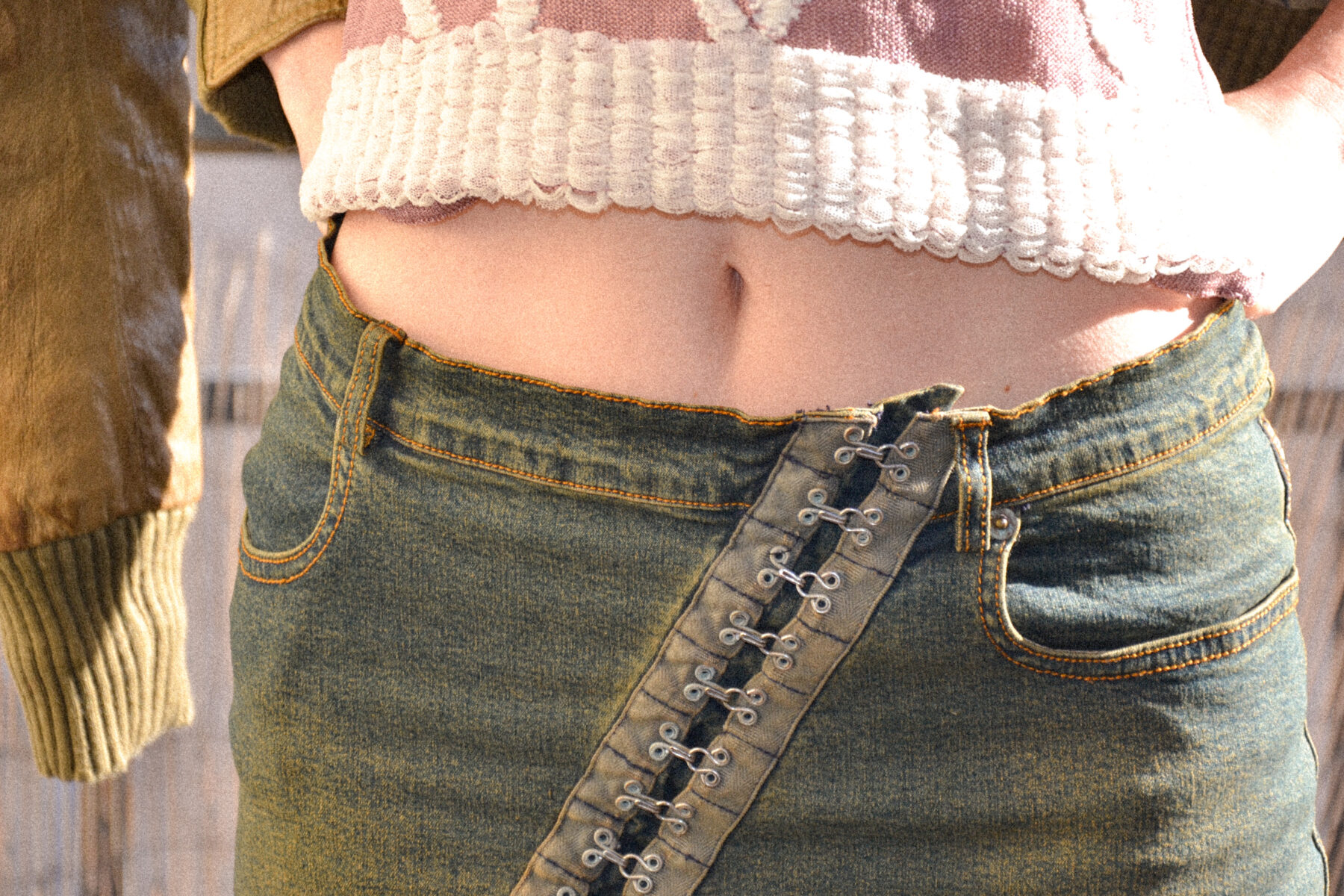
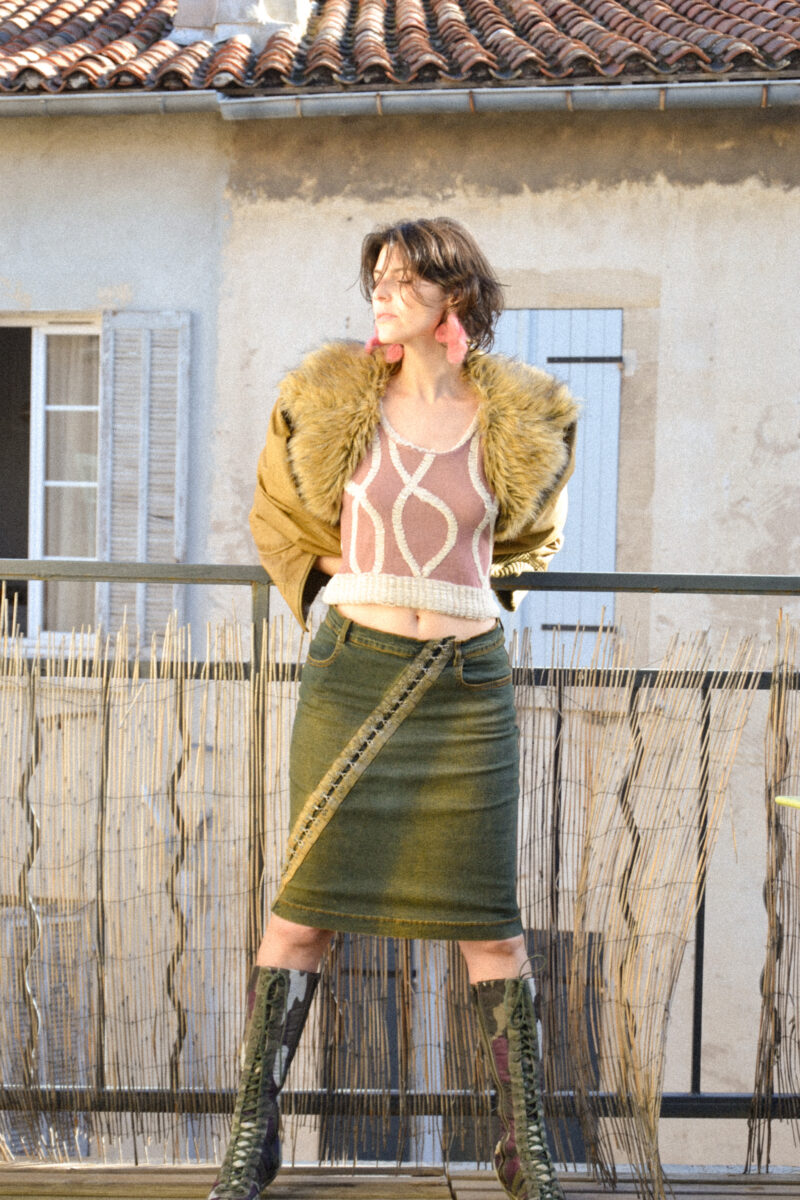
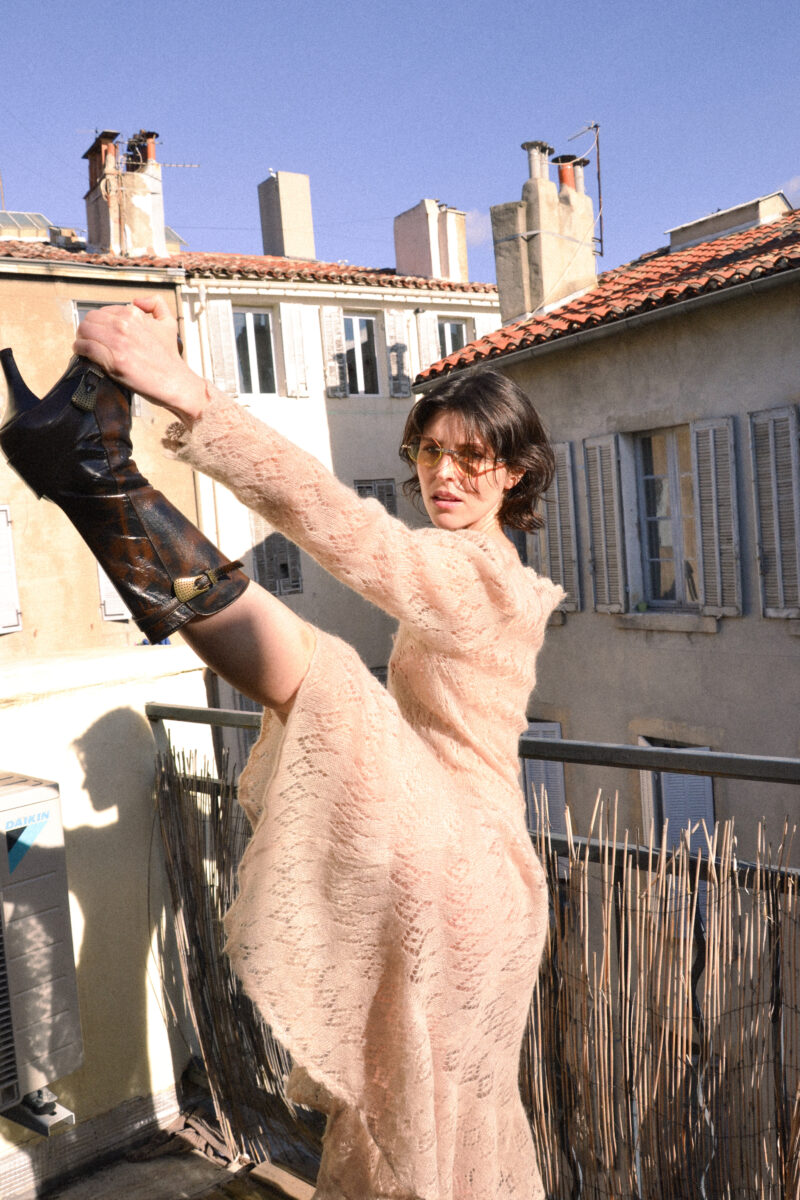
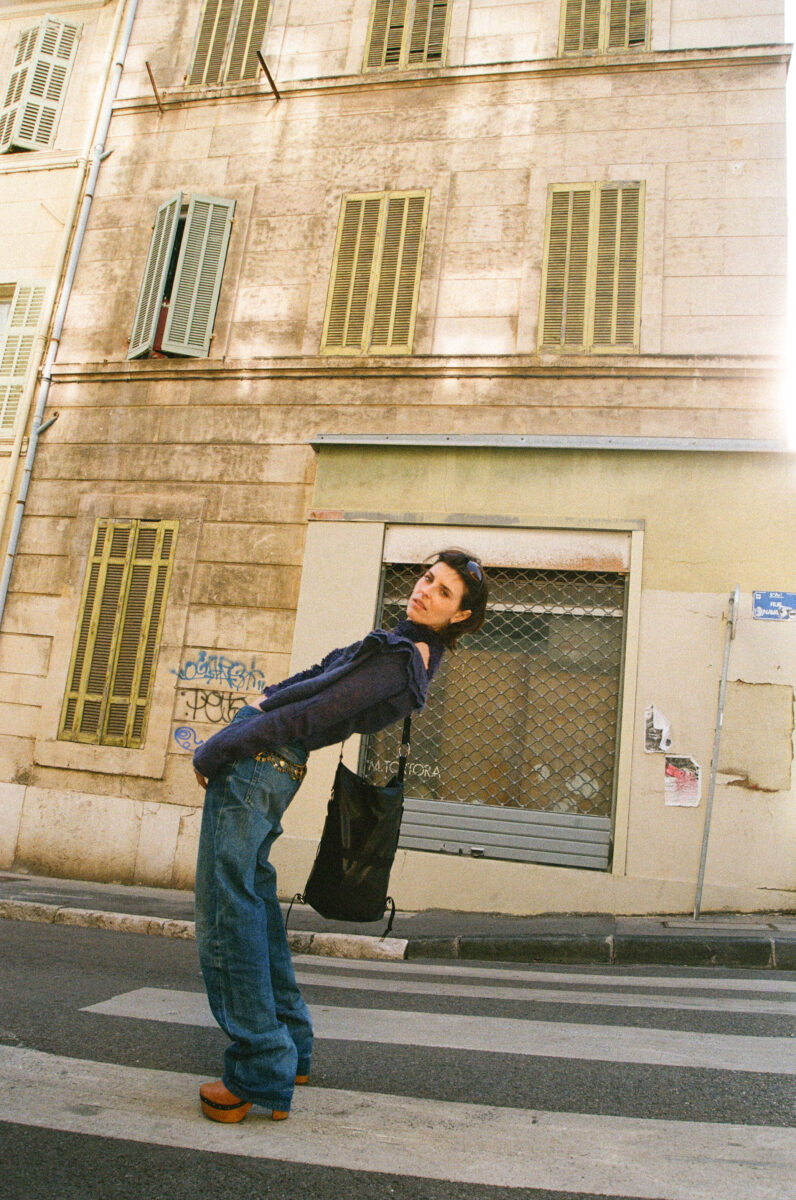

Photography – Victoire Castella


